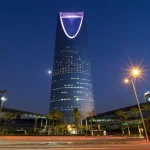



Saudi Arabia is often recognized today for its ambitious transformation, futuristic developments, and economic diversification under Vision 2030. Towering skylines, innovative infrastructure, and global events have brought the Kingdom into the international spotlight. Yet, beneath this modern progress lies a history that stretches back thousands of years, preserved in remarkable places that continue to tell the story of human civilization.
Saudi Arabia is home to eight UNESCO World Heritage Sites, each representing a unique chapter of the Kingdom’s cultural and natural heritage. These sites are more than historical landmarks. They are living reminders of ancient trade routes, thriving civilizations, architectural excellence, religious significance, and environmental conservation. Together, they demonstrate how preserving the past can strengthen a nation’s identity while supporting a sustainable future.
Where History Meets the Future
The importance of cultural heritage extends far beyond tourism. Historic sites contribute to education, research, community identity, and economic development. As Saudi Arabia continues investing in tourism and cultural initiatives, these heritage sites are becoming valuable assets that attract visitors, encourage international collaboration, and create new opportunities for local businesses.
According to UNESCO, World Heritage Sites are recognized for their Outstanding Universal Value, meaning they possess cultural or natural significance that is important to all humanity. Saudi Arabia’s growing portfolio reflects the Kingdom’s commitment to preserving its heritage while sharing it with the world.
Hegra, A Window into the Nabataean Civilization
The Kingdom’s first UNESCO World Heritage Site, Hegra in AlUla, was inscribed in 2008. Often compared to Jordan’s Petra, Hegra features more than 100 monumental rock-cut tombs carved into sandstone mountains by the Nabataean civilization over 2,000 years ago.
Hegra was once an important stop along ancient trade routes connecting southern Arabia with the Mediterranean world. The remarkable preservation of its architecture offers valuable insight into engineering techniques, trade networks, and cultural exchange during antiquity. Today, it stands as one of Saudi Arabia’s most recognizable archaeological treasures.
At-Turaif District, The Birthplace of a Nation
Located in Diriyah, the At-Turaif District represents the origins of the First Saudi State. Built in the distinctive Najdi architectural style, the district became a center of political, cultural, and religious influence during the eighteenth century.
Extensive restoration efforts have transformed At-Turaif into a vibrant cultural destination while preserving its historical character. Visitors can explore palaces, mosques, museums, and narrow streets that reflect centuries of Arabian history and craftsmanship.
Historic Jeddah, Gateway to the Holy Cities
For centuries, Historic Jeddah served as the primary gateway for pilgrims traveling to Makkah. Its coral stone buildings, traditional wooden balconies known as Rawasheen, and bustling marketplaces reflect the city’s role as a major commercial and cultural center along the Red Sea.
The district illustrates how trade, pilgrimage, and multicultural exchange shaped Saudi Arabia long before the modern era. Today, preservation projects continue to restore its historic neighborhoods while supporting tourism and local businesses.
Ancient Stories Carved in Stone
The Rock Art in the Hail Region provides one of the world’s most fascinating collections of prehistoric carvings and inscriptions. Thousands of engravings depict hunting scenes, animals, daily activities, and changing environmental conditions spanning several millennia.
These ancient artworks offer researchers valuable evidence about how early communities adapted to climate changes, developed social structures, and interacted with their surroundings. They remind us that storytelling has always been central to human civilization.
Al Ahsa Oasis, Life in the Desert
Recognized by UNESCO in 2018, Al Ahsa Oasis demonstrates how human ingenuity transformed an arid landscape into one of the world’s largest natural oases. Supported by natural springs and an advanced irrigation system, the oasis has sustained agriculture, trade, and settlement for thousands of years.
Its palm groves, traditional villages, archaeological sites, and historic markets illustrate the deep relationship between people and the environment. Al Ahsa continues to play an important role in both cultural preservation and sustainable development.
Hima Cultural Area and Uruq Bani Ma’arid
The Hima Cultural Area, added to the UNESCO list in 2021, contains one of the Arabian Peninsula’s richest collections of ancient rock inscriptions and petroglyphs. For centuries, travelers crossing caravan routes left messages, drawings, and records that provide extraordinary insight into languages, beliefs, and everyday life.
More recently, the Uruq Bani Ma’arid Reserve became Saudi Arabia’s first UNESCO Natural World Heritage Site in 2023. Located along the western edge of the Empty Quarter, the reserve protects unique desert ecosystems and endangered species such as the Arabian Oryx. Its inscription highlights Saudi Arabia’s growing commitment to biodiversity conservation alongside cultural preservation.
In 2025, UNESCO also inscribed the Cultural Landscape of Al Faw Archaeological Area, recognizing the ancient oasis city that once flourished along historic trade routes in the Arabian Peninsula. The site offers exceptional evidence of urban planning, commerce, and cultural interaction across centuries, further enriching Saudi Arabia’s World Heritage portfolio.
Heritage as an Investment in the Future
Saudi Arabia’s commitment to heritage preservation aligns closely with its broader economic and social transformation. Under Vision 2030, tourism has become a major pillar of diversification. The Kingdom welcomed approximately 30 million international tourists in 2024, surpassing several national tourism targets ahead of schedule. Heritage destinations such as AlUla, Diriyah, Historic Jeddah, and Al Ahsa are central to this growth, attracting visitors interested in authentic cultural experiences.
Protecting these historic places also supports education, scientific research, environmental sustainability, and local entrepreneurship. Heritage conservation creates employment opportunities in archaeology, restoration, hospitality, tourism, and cultural industries while strengthening community pride and preserving national identity for future generations.
Conclusion
Saudi Arabia’s UNESCO World Heritage Sites remind us that every nation is shaped by the stories it chooses to preserve. From ancient civilizations and bustling trade routes to sacred journeys and remarkable natural landscapes, these sites offer a deeper understanding of the Kingdom’s rich and diverse history.
As Saudi Arabia continues to build modern cities, host global events, and invest in innovation, its heritage remains an equally important foundation for sustainable development. By protecting these extraordinary places, the Kingdom is not only preserving its past but also creating lasting value for future generations.
For visitors, researchers, businesses, and communities alike, Saudi Arabia’s UNESCO World Heritage Sites represent more than destinations. They are enduring symbols of resilience, cultural exchange, and the timeless connection between history and progress.