Magnus Carlsen just defended his Esports World Cup chess title without losing a game. Behind that strange sentence sits one of the biggest business bets on Earth, and it belongs to Saudi Arabia.
Picture this scene - The best chess player in history, Norway's Magnus Carlsen, sits on a stage wearing the jersey of Team Liquid, a professional video game club. Around the same event, other players are competing in Call of Duty, Tekken and League of Legends. Carlsen plays five days of chess, does not lose a single one of his twenty games, beats a nineteen-year-old in the final, and walks away with 250,000 dollars and his second Esports World Cup chess title in a row.
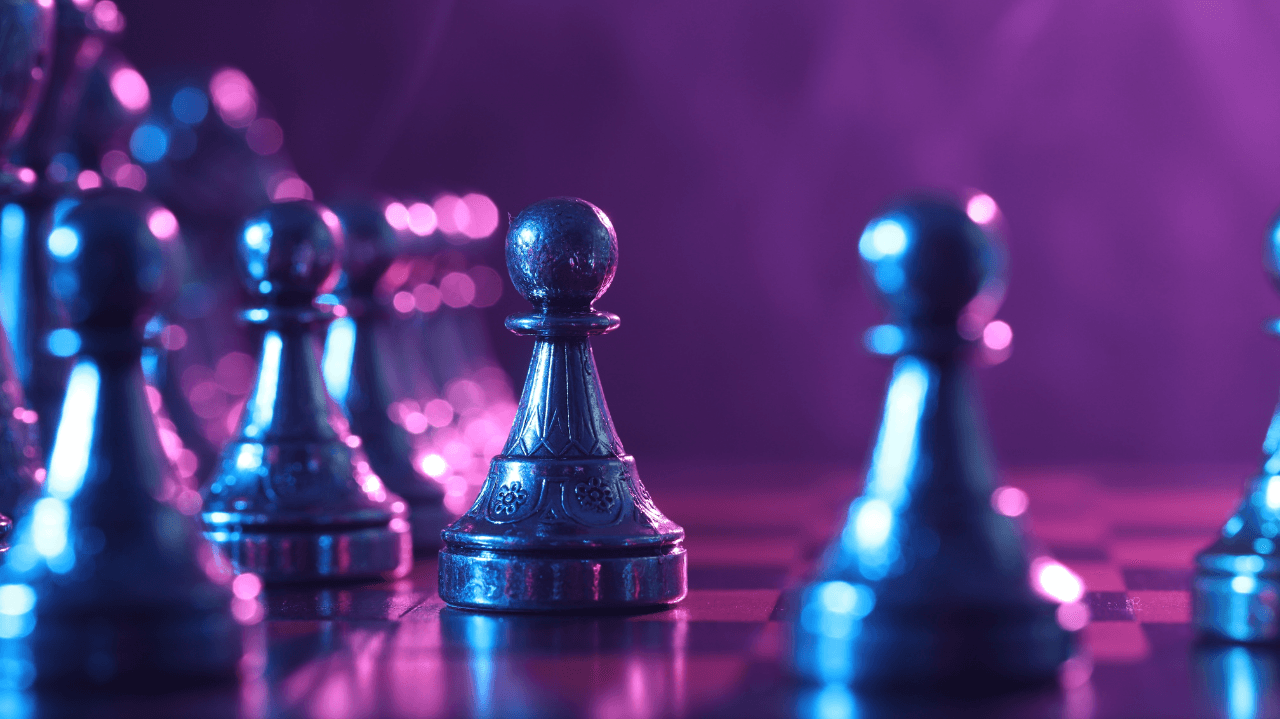
Read that again slowly. Chess, a game that has been around for roughly 1,500 years, is now an esport, with gamer jerseys, giant screens, screaming fans and prize money that would make most sports jealous. And the country responsible for this strange and wonderful sentence is Saudi Arabia.
How chess ended up at a video game tournament
The Esports World Cup did not grow naturally out of gaming culture. Saudi Arabia built it, on purpose, and announced it in 2023 through Crown Prince Mohammed bin Salman himself, who is reported to be a keen gamer with a soft spot for Call of Duty. The first edition launched in Riyadh in 2024 with a prize pool of over 60 million dollars, instantly the largest in esports history. This year's edition went even bigger: 75 million dollars in total prizes, around 2,000 players from over 100 countries, and 25 tournaments across 24 different games.
Chess joined the party through a partnership with Chess.com, and it turned out to be a perfect fit, because ten-minute chess with no second chances is exactly as tense as any shooter game. Carlsen won the first title in Riyadh in 2025. This year he came back and did something even harder: he defended it without losing a single game, beating Denis Lazavik, a nineteen-year-old from Belarus, in the final. Carlsen himself pointed out a small detail that says everything about where this is going: every single opponent he faced at the event was born after the year 2000. The oldest game on Earth is now being fought over by the youngest players in it.
The empire behind the tournament
Here is where the story stops being about sport and starts being about strategy. The Esports World Cup is just the visible tip of something much larger. Since 2022, Saudi Arabia's Public Investment Fund has committed 38 billion dollars to gaming through a company called Savvy Games Group. Savvy owns Scopely, the biggest mobile games publisher in the United States, the one behind Monopoly Go. It owns ESL FACEIT Group, the company that actually runs the Esports World Cup and many of the world's biggest gaming competitions. It claims to control around 40 percent of the global esports market. And the fund is also the largest investor in the proposed 55 billion dollar buyout of Electronic Arts, the maker of EA Sports FC, which would be one of the biggest deals of its kind ever attempted.
Back home, the Kingdom is building Qiddiya, a purpose-built gaming and esports district outside Riyadh that aims to welcome ten million visitors a year by 2030, alongside a national target of creating 39,000 gaming jobs by the same year. This is not a hobby. It is a plan to own a whole industry, in a country where most of the population is young enough to have grown up holding a controller.
The twist: this year's tournament was not even in Saudi Arabia
Now for the detail that proves how far the plan has come. The 2026 Esports World Cup, the one Carlsen just won, was not held in Riyadh at all. It was held in Paris. The Saudi-built tournament has grown big enough to go on tour, and here is the clever part: it did not matter. The foundation that owns the event is funded by the Public Investment Fund. The company that operates it is owned by Savvy, which is owned by the same fund. Whether the stage is in Riyadh or Paris, the show still belongs to Saudi Arabia.
That is the difference between hosting something and owning it. Anyone with a big enough stadium can host a tournament. Saudi Arabia bought the companies that make the games, run the competitions and pay the players, so the question of where the stage happens to be built each summer becomes a detail.
What the Kingdom's gaming bet teaches the rest of us
Strip away the jerseys and the prize money, and there is a simple business idea sitting underneath all of this. When Saudi Arabia decided to reduce its dependence on oil, it did not only bet on the industries that look serious, like mining, tourism and finance. It also bet, heavily, on the thing its own young population already loved doing every evening. It followed the attention, then bought the businesses that own that attention.
Most companies chase the trophy: the big client, the flashy win, the one-off deal. The smarter long game, as the Kingdom is demonstrating one tournament at a time, is to own the table everyone wants to play at. Magnus Carlsen collected 250,000 dollars for being the best in the world at a 1,500-year-old game. The country that made his cheque possible is playing an even longer game, and so far, much like Carlsen, it has not lost yet.