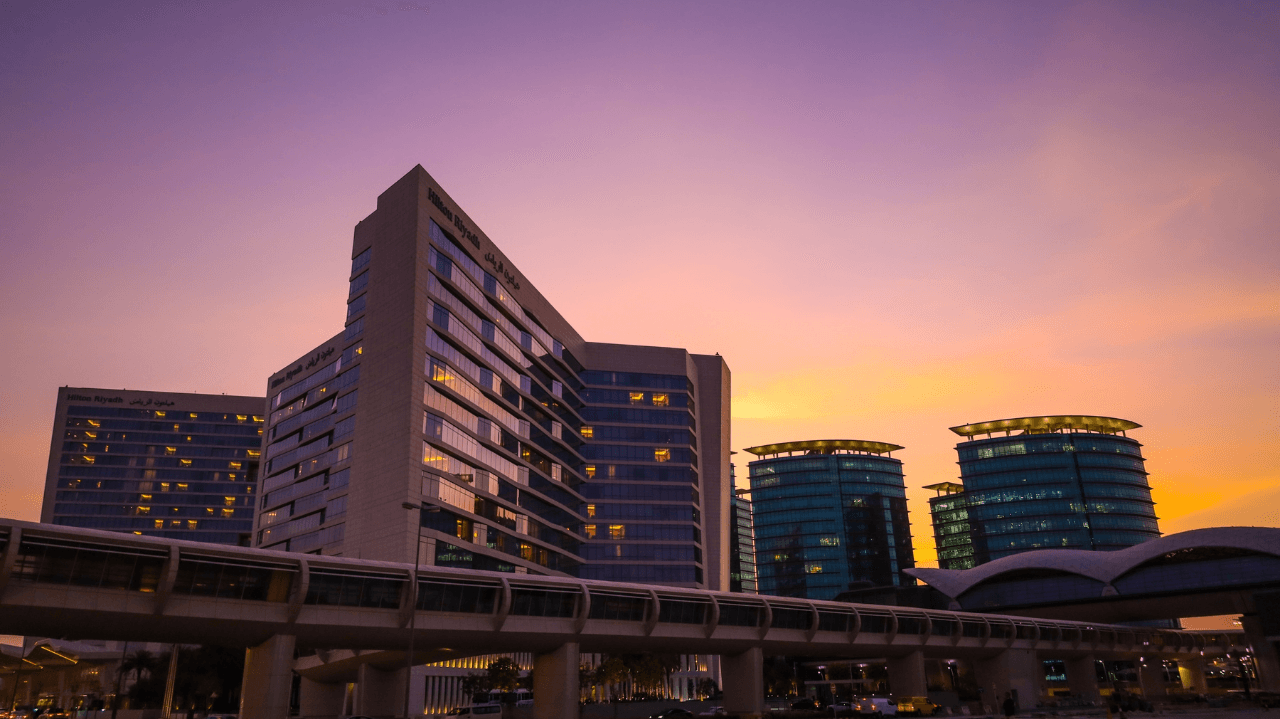
Saudi Arabia is building hotels at a speed that would have seemed almost impossible a decade ago. But the bigger story is not simply the number of rooms being constructed. The Kingdom is building an entire hospitality economy around tourists, religious visitors, domestic travellers, business events, entertainment and luxury experiences.
The scale is already visible in the numbers. During the first half of 2025, Saudi Arabia had around 545,000 licensed hospitality room keys across 5,326 facilities, while overall accommodation occupancy stood at 56.6%. The average daily rate was approximately SAR 458, producing revenue per available room of around SAR 259.
At the same time, tourism employment is becoming a significant part of the economy. GASTAT recorded 997,357 employees in tourism activities in Q2 2025, compared with 959,175 a year earlier. That means the hospitality boom is not just creating places for visitors to sleep. It is creating an increasingly large ecosystem of jobs, suppliers, restaurants, transport providers, entertainment businesses and professional services.
It Is Not Just About Building Hotels
When people hear that Saudi Arabia is expanding its hospitality sector, the natural image is another enormous luxury hotel opening somewhere in Riyadh, Jeddah or along the Red Sea. However, the transformation is much broader than that.
A successful tourism market needs far more than hotel rooms. It needs restaurants, cafés, transportation, tour operators, event companies, entertainment venues, booking platforms, housekeeping businesses, security services, technology providers and thousands of smaller suppliers operating behind the scenes.
This is why hospitality is becoming interesting from a business perspective. Every new visitor creates spending opportunities far beyond the room they book.
A traveller might stay in a hotel, eat at three restaurants, hire a car, visit an attraction, buy clothes, attend an event and book another experience before leaving the country. The hotel may receive the booking, but dozens of businesses can benefit from the same visitor.
The Numbers Are Already Getting Serious
The growth can be seen clearly in Saudi Arabia's official hospitality statistics.
Indicator | Latest figure | What it tells us |
|---|---|---|
Licensed hospitality facilities | 5,326 | A rapidly expanding accommodation market |
Licensed room keys | About 545,000 | Large-scale accommodation capacity |
H1 2025 occupancy | 56.6% | More than half of available capacity was occupied |
Average daily rate | SAR 458 | Significant room spending |
Revenue per available room | SAR 259 | Indicates actual revenue generated across available rooms |
Tourism employees | 997,357 | Hospitality and tourism are major employers |
Hotel occupancy in Q1 2025 | 63.0% | Stronger demand at the beginning of the year |
Hotel average daily rate in Q1 | SAR 477 | Higher than the H1 overall accommodation average |
The figures also show something important: Saudi hospitality is not growing in a perfectly straight line.
Hotel occupancy reached 63% in Q1 2025, before falling to 53.2% in Q2 and 49.1% in Q3. At the same time, the number of licensed hospitality facilities continued increasing, reaching 5,622 by Q3 2025.
That tells us the Kingdom is adding supply very quickly, while demand naturally moves according to season, location and type of traveller.
And that creates a much more interesting business question.
Who Is Going to Fill All These Rooms?
Building hotels is one thing. Filling them consistently is another.
Saudi Arabia has several different sources of tourism demand, which gives its hospitality industry an advantage. Religious tourism brings visitors to Makkah and Madinah throughout the year, while business travel supports cities such as Riyadh and Jeddah. Domestic tourism adds another enormous customer base, and international tourism is becoming increasingly important as the Kingdom develops new destinations and experiences.
This combination means Saudi Arabia does not have to depend on one type of traveller.
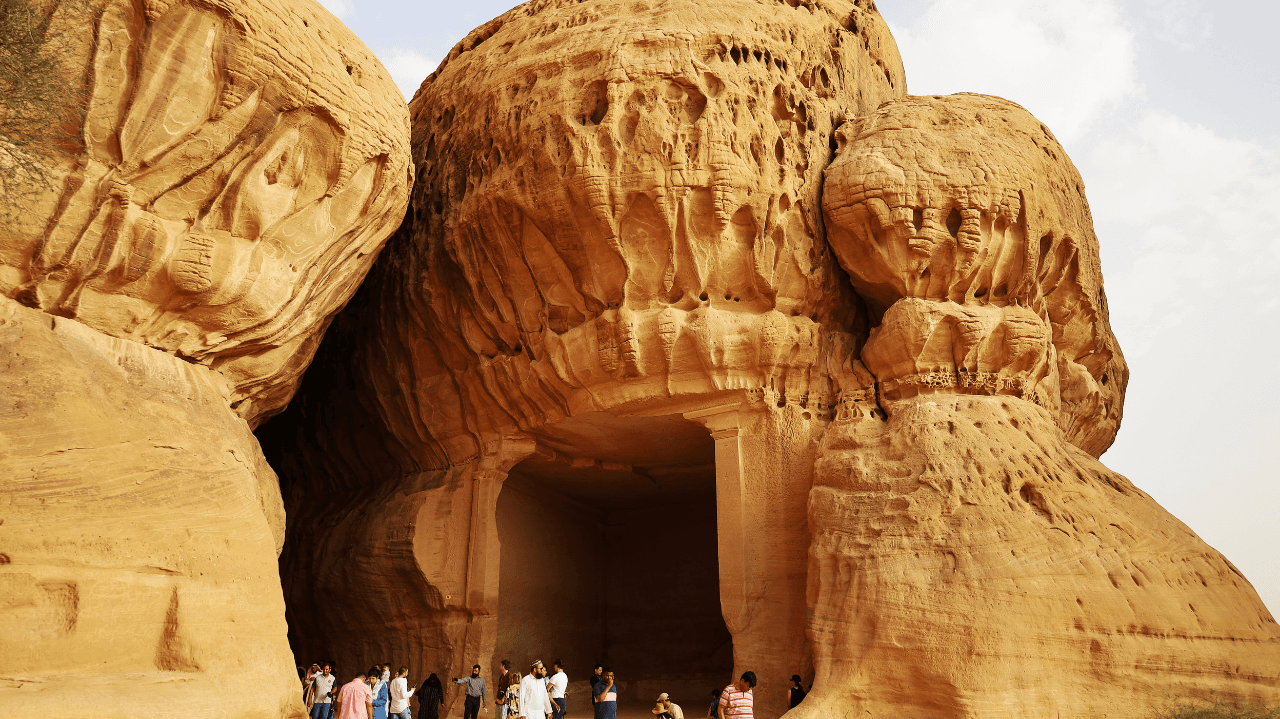
A hotel in Riyadh might benefit from business travellers during the week and events at the weekend. A property in Makkah has a completely different demand pattern. A resort on the Red Sea depends on leisure tourism, while accommodation in AlUla can benefit from visitors specifically seeking cultural and heritage experiences.
The opportunity therefore lies not simply in adding rooms, but in understanding why people are travelling and what they want to do when they arrive.
The Hotel Room Is Becoming the Beginning, Not the End
There is another shift taking place that businesses should pay attention to.
The modern traveller increasingly wants an experience rather than simply a bed for the night. That changes the commercial opportunity around hospitality.
A hotel can sell rooms, but it can also connect guests with restaurants, wellness services, excursions, cultural experiences, shopping and entertainment. This creates opportunities for businesses that may never own a hotel but can become part of the hospitality ecosystem.
For example, a local food company can supply hotels. A technology company can provide guest management systems. A transport operator can handle airport transfers. A financial services firm can support hospitality businesses with accounting, payments and advisory services.
As the number of hospitality facilities grows, the demand for these supporting services grows alongside it.
Saudi Hospitality Is Also Becoming a Jobs Story
Perhaps one of the most important parts of this transformation is employment.
GASTAT recorded almost one million people working in tourism activities during Q2 2025, with the figure reaching 997,357. In Q1, tourism employment stood at 983,253, up 4.1% from the same quarter a year earlier.
This workforce includes far more than hotel receptionists and chefs.
Tourism requires managers, accountants, marketing professionals, drivers, engineers, cleaners, event specialists, security teams, technology professionals, designers and customer service workers. As the industry becomes more sophisticated, demand for professional and specialist services should increase alongside frontline employment.
That is where the hospitality boom begins to affect the wider economy.
But More Hotels Does Not Automatically Mean More Success
It would be easy to look at thousands of new facilities and assume that every new hotel will succeed.
That would be too simple.
The official numbers already show why. Saudi Arabia had 5,326 licensed hospitality facilities in H1 2025, and that number rose to 5,622 by Q3. Meanwhile, hotel occupancy moved from 63% in Q1 to 49.1% in Q3.
As supply increases, competition will become more important.
Hotels will need to compete on location, price, service, experience and brand. Restaurants will have to give visitors a reason to choose them over hundreds of alternatives. Tourism operators will need to create experiences that people actually want to remember and recommend.
In other words, Saudi Arabia is moving from a market where simply being available could create opportunity toward one where quality and differentiation will matter much more.
The Bigger Opportunity Is Around the Visitor
This is perhaps the most exciting part for businesses.
If Saudi Arabia becomes a major global tourism destination, the opportunity will not belong only to international hotel chains. Thousands of smaller businesses can participate in the visitor economy.
A tourist needs somewhere to stay, but they also need somewhere to eat, something to see, somewhere to shop and a way to move around. Businesses can therefore enter the market at different points of the journey.
This creates an ecosystem in which hospitality, retail, food and beverage, transportation, entertainment, technology, finance and professional services increasingly overlap.
The hotel may be the most visible part of the tourism industry, but it is not necessarily where the biggest number of opportunities will exist.
So, Is Saudi Arabia Ready for a Hospitality Boom?
The numbers suggest that the Kingdom is already well into one.
There are now thousands of licensed hospitality facilities, hundreds of thousands of rooms and almost one million people working across tourism activities. Occupancy remains substantial even as the supply of accommodation continues to expand.
What happens next will be more important.
Saudi Arabia now has to turn capacity into consistently strong demand, and it has to make sure that visitors do not simply arrive but stay longer, spend more and return.
That means the next stage of the hospitality story will not be measured only by how many hotels open.
It will be measured by how many businesses grow around them, how many people find careers in the sector and whether Saudi Arabia can turn its enormous investment in hospitality into a sustainable visitor economy.
Because the Kingdom is no longer simply asking, “Where will tourists stay?”
It is building an entire economy around the much bigger question:
“What will they do when they get here?”